




Determining the Ideal Solar System Size for Your Woodside Home
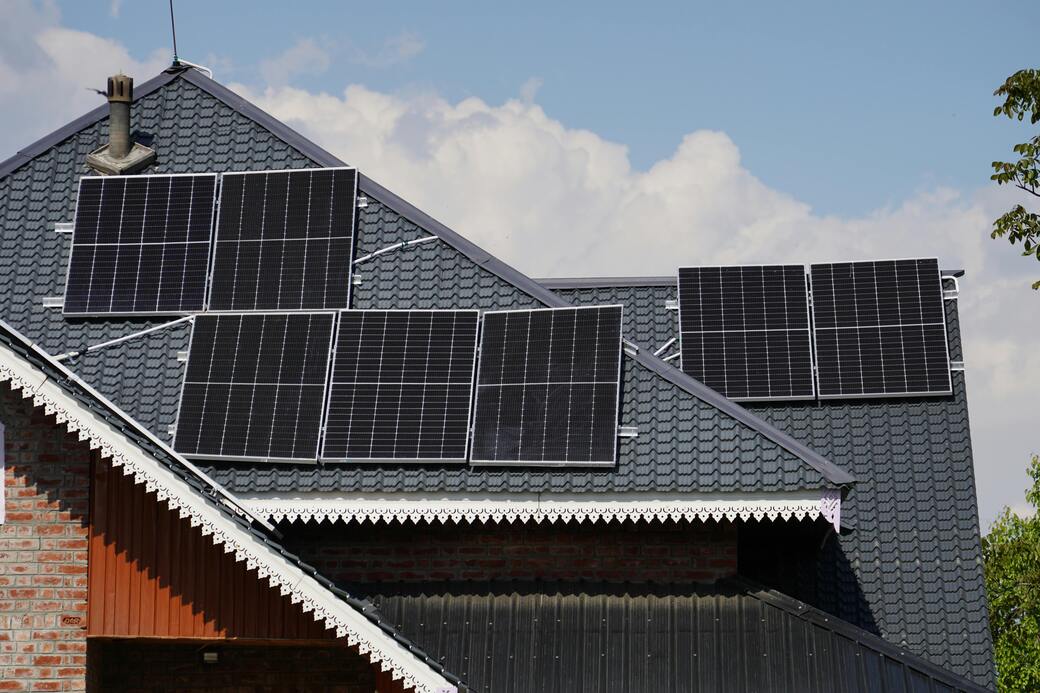
Choosing the right solar system size for your Woodside home isn’t just about picking a few panels and hoping for the best. You’ll need to look at how much electricity your household uses and how much sunlight your roof actually gets. Costs, available incentives, and even your appliances all play key roles. If you want to make sure your investment pays off long-term, there’s more you’ll need to consider before making a decision.
Reviewing Your Household’s Electricity Usage
Determining the appropriate size of a solar system for your home necessitates a comprehensive understanding of your electricity needs. A practical starting point is to review your electricity bills from the past year. This will allow you to track your usage in kilowatt-hours (kWh) and identify your daily electricity consumption.
It is important to consider any recent changes in your household that may affect your electricity requirements. For instance, the addition of new appliances, the purchase of an electric vehicle, the installation of a swimming pool, or increased use of air conditioning can all contribute to higher power needs.
The U.S. Energy Information Administration (EIA) reports that the average household consumes approximately 29 kWh per day; however, individual consumption may vary significantly based on lifestyle and household characteristics.
This analysis of your electricity usage is critical for estimating the number of solar panels required, as well as the overall system size necessary to optimize your roof's production capacity and account for local sunlight conditions. Understanding your specific energy consumption patterns will facilitate a more accurate assessment and ensure that your solar system is tailored to meet your household's unique demands.
Evaluating Sunlight Exposure in Woodside
When evaluating the potential for solar energy in Woodside, it is crucial to analyze the area's sunlight exposure, as this significantly impacts the performance and output of a solar photovoltaic system. For more detailed information, you can explore options like Solar Panels in Woodside.
Woodside averages approximately 5.5 to 6 peak sunlight hours per day. This level of sunlight can enhance the energy production capabilities of each solar panel installed.
Resources such as YouTube tutorials and solar maps provided by the National Renewable Energy Laboratory can assist homeowners in estimating the potential solar energy generation on their roofs.
By incorporating local sunlight data into your analysis, you can accurately size the solar panel system according to your household energy needs. This includes specific demands for appliances like swimming pools, air conditioning units, or electric vehicles.
Proper sizing is vital to prevent oversizing the system, which could result in unnecessary electricity production and potential waste.
Ultimately, a thorough assessment of sunlight exposure along with accurate system sizing will contribute to more efficient energy use and cost-effectiveness for homeowners considering solar energy in Woodside.
Understanding Your Utility Rate Plan
Before proceeding with the installation of a solar system for your home in Woodside, it is crucial to thoroughly review your utility rate plan and its implications for potential savings. Utility companies typically implement various rate structures, including fixed rates, meaning you would be charged a consistent amount irrespective of the electricity produced by your solar panels.
Different rate plans utilize distinct units of measurement, such as kilowatt-hours (kWh) or a combination of kilowatts (kW) and kilowatt-hours (kWh). This distinction can significantly affect the degree to which your solar installation offsets your energy consumption, particularly for high usage activities like air conditioning, operating a swimming pool, or charging an electric vehicle.
To enhance your understanding of your specific needs and the expected solar production, consider utilizing educational resources. Online platforms, including instructional videos and tools recommended by the Energy Information Administration (EIA), can serve as valuable initial references for assessing your energy requirements and the viability of solar energy in your situation.
Calculating Solar Panel Requirements
Determining the appropriate number of solar panels for a home in Woodside involves assessing annual electricity usage and aligning it with the production capacity of the panels.
To begin, one must calculate the yearly kilowatt-hour (kWh) consumption. The U.S. Energy Information Administration (EIA) estimates this to be approximately 10,791 kWh for an average household.
The next step is to ascertain the production ratio and the wattage of the solar panels to be installed. For instance, a standard 430 W solar panel can generate around 1,144 kWh per year under optimal conditions.
Consequently, to meet the annual electricity needs, homeowners generally find that they require between 16 to 24 solar panels. This number can vary based on factors such as the amount of direct sunlight the property receives, the efficiency of the panels, and any additional electrical demands, such as air conditioning, swimming pools, or electric vehicles.
In conclusion, accurate calculations based on individual energy consumption and panel production capabilities are essential for establishing an effective solar panel system tailored to specific needs.
Assessing Roof Space and Orientation
Evaluating the available space and orientation of your roof is a crucial step in planning a solar installation for your Woodside home. The amount of usable roof area determines both the number and size of solar panels that your system can accommodate, which in turn affects energy production and the potential to offset electricity consumption from your utility provider.
A south-facing roof, which typically receives optimal sunlight exposure, is advantageous as it can enhance panel output and may reduce the total number of panels required to meet your household's energy needs expressed in kilowatt-hours (kWh).
It is advisable to utilize resources such as instructional videos on platforms like YouTube or consult the U.S. Energy Information Administration (EIA) for guidance on measuring your roof accurately. This thorough assessment is essential before proceeding with any installation to ensure that the system is appropriately designed to meet your energy requirements.
Considering Common Household Appliances
To accurately size a solar power system for your home, it is essential to assess the energy consumption of your household appliances. Start by reviewing common electrical demands, which can be quantified using data from the U.S. Energy Information Administration (EIA). For example, a refrigerator typically consumes around 600 kWh per year, an air conditioner may use approximately 1,000 kWh annually, and a swimming pool can require about 2,500 kWh per year.
It is also important to account for the potential impact of new appliances, such as an electric vehicle, which can add around 3,000 kWh to your yearly usage.
Once you have determined your total energy consumption, you can calculate the number of solar panels needed to meet these demands. This calculation should take into account various factors including the characteristics of your roof, local utility rates, available sunlight, and the production capacity of the solar panels you choose.
By following these steps, you can ensure that your solar energy system is effectively tailored to your actual electricity needs.
For further guidance, there are numerous concise instructional videos available on platforms like YouTube, which can assist you in estimating your household's energy requirements accurately.
Comparing Solar System Sizes and Outputs
When determining the appropriate size for a solar power system, it is crucial to evaluate your household's energy requirements in conjunction with the output capacities of various solar systems. For homes with significant electricity usage—such as those with air conditioning, swimming pools, or electric vehicles—a larger solar system may be necessary.
For instance, a typical 4 kW solar system, which consists of approximately 10 panels, is generally sufficient for meeting basic energy needs. In contrast, a 10 kW system, which may include around 24 panels, is better suited for higher electricity consumption.
It is important to consider the roof's sunlight exposure, as this can significantly impact the energy production of each panel.
Additionally, consulting resources such as recent data from the U.S. Energy Information Administration (EIA) or instructional videos can provide useful guidance in estimating your home’s kilowatt-hour (kWh) requirements.
This approach enables a more informed decision regarding the appropriate solar system size for your specific circumstances.
Factoring in Future Energy Needs
When assessing the adequacy of a solar energy system, it is essential to account for potential changes in household electricity consumption over time. Factors such as the addition of a swimming pool, an electric vehicle, or the installation of new air conditioning units can significantly increase a home's energy use, potentially surpassing the U.S. Energy Information Administration's (EIA) average consumption of 10,791 kWh per year.
To adequately prepare for future energy needs, it is advisable to conduct an estimation that considers several variables, including projected utility rates, family size changes, solar panel efficiency, and the solar exposure of your roof.
Engaging with educational resources, such as instructional videos, or consulting with professional solar installers can provide valuable insights into the expected output of solar panels relative to your anticipated consumption.
Properly sizing your solar energy system from the outset is critical, as it can mitigate the necessity for costly upgrades or expansions as energy needs change. This foresight not only enhances energy efficiency but also ensures that the system remains effective in meeting future demands.
Maximizing Financial Incentives and Utility Buyback
Installing solar panels represents a substantial investment; however, it is possible to mitigate the initial financial burden through various financial incentives and utility buyback programs.
One notable incentive is the Investment Tax Credit (ITC), which allows for a deduction of a specified percentage of the system's cost from federal taxes, as outlined by credible sources such as the Energy Information Administration (EIA).
In addition, utility buyback programs provide compensation for any surplus electricity generated by your solar panels that exceeds your household consumption. This compensation is typically based on the kilowatt-hours (kWh) fed back into the grid.
It is important to familiarize yourself with your local utility rates, as these directly influence the financial return from solar energy production. This consideration is especially important for households with high electricity usage, such as those operating air conditioning systems, swimming pools, or electric vehicles.
Overall, navigating these financial avenues can significantly impact the overall cost-efficiency of solar panel installation and long-term benefits.
Consulting with Solar Installation Professionals
Engaging a solar installation professional during the planning of your solar energy system can be a prudent decision. Their specialized knowledge ensures that the solution provided is specifically tailored to your household's energy requirements, as opposed to a standard solution that may not yield optimal performance.
Professionals conduct thorough calculations to determine the precise number and size of solar panels necessary for your home. They evaluate various factors affecting electricity usage, including the total kilowatt-hours (kWh) consumed by heating and cooling systems, swimming pools, and electric vehicles.
Additionally, they assess the orientation of your roof and the local solar irradiance levels to maximize efficiency. This approach is grounded in data from the Energy Information Administration (EIA), as well as local utility programs, which provide relevant insights into power production and consumption.
Utilizing the expertise of solar professionals mitigates the risks associated with installing a system based solely on general guidelines or online sources. This structured and informed method increases the likelihood of a satisfactory and effective solar energy solution for your specific needs.
Conclusion
Choosing the right solar system size for your Woodside home means looking carefully at your energy needs, sunlight exposure, and roof space. By reviewing your electricity usage, considering your utility plan, and planning for future demands, you'll get the most from your investment. Make sure to maximize financial incentives, compare technologies, and consult with professionals. Taking these steps helps ensure your solar system is efficient, cost-effective, and tailored to your household’s unique requirements.